The Constitution of India, a monumental document that serves as the bedrock of the world’s largest democracy, is not merely a legal manuscript. It is a masterpiece—an exquisite confluence of law and art, crafted with meticulous precision and adorned with cultural motifs that reflect the soul of a nation. Behind its pages lies a narrative of dedication, artistry, and vision, brought to life by calligraphers, artists, and thinkers who transformed ink and paper into a timeless symbol of sovereignty.
A Calligrapher’s Craft: The Art of Immortality
At the helm of this extraordinary endeavor was Prem Behari Narain Raizada, a man whose reed pens and No. 303 nibs danced across the parchment to produce the English version of the Constitution. Born into a lineage of traditional calligraphers, Raizada inherited not only skill but also reverence for the written word. When entrusted with the task of immortalizing the Constitution, he refused any remuneration, asking only for the privilege to inscribe his name on each page and his grandfather’s name on the last—a gesture that bound his legacy to the nation’s destiny.
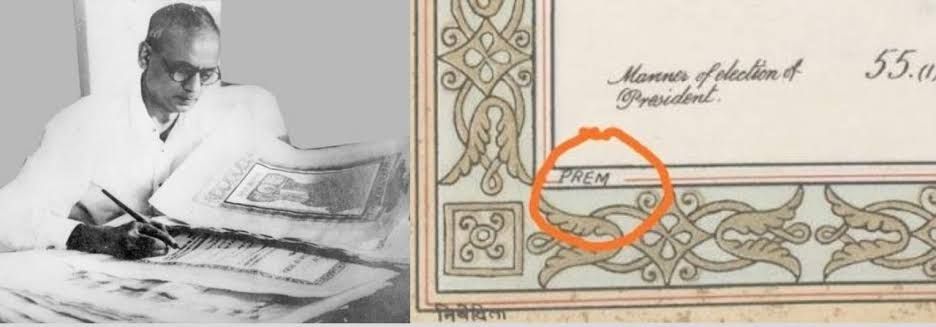
For six arduous months, Raizada poured his soul into each curve and flourish, ensuring that the weight of every word resonated with elegance. His calligraphy was more than aesthetic brilliance; it was a tribute to the ideals of justice, liberty, and equality enshrined within the text.

Simultaneously, Vasant Krishan Vaidya lent his expertise to the Hindi version, preserving linguistic accessibility without compromising artistic integrity. His Devanagari script mirrored the grandeur of Raizada’s work, reinforcing India’s linguistic and cultural diversity.
Illustrating a Civilization: Nandalal Bose’s Vision
If Raizada and Vaidya were the custodians of words, Nandalal Bose was the keeper of images. A luminary from Shantiniketan and a disciple of Rabindranath Tagore, Bose led a team of artists who adorned the Constitution with 22 illustrations—each a visual chapter in India’s epic story.
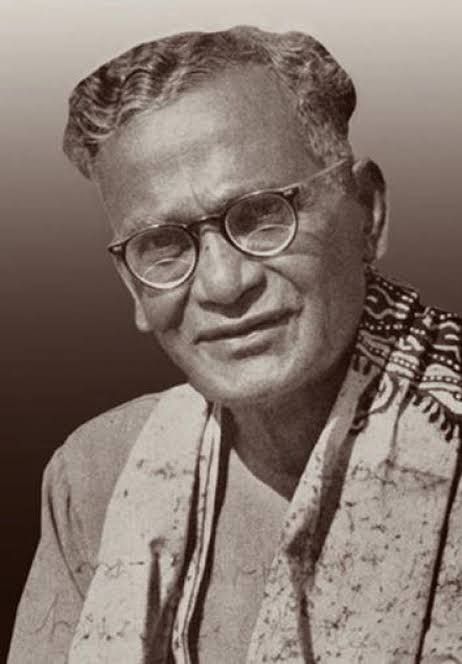
From the Indus Valley Civilization to Mahatma Gandhi’s Dandi March, Bose’s brush captured the nation’s journey through epochs of struggle and triumph. The art drew inspiration from India’s rich heritage—Ajanta paintings, Mughal miniatures, and folk motifs—infusing the document with cultural soul.
Bose’s protégés, including Beohar Rammanohar Sinha and Dinanath Bhargava, added depth to the endeavor. Bhargava, notably, designed the Lion Capital of Ashoka, which later became India’s national emblem—a roaring symbol of authority and resilience.
Their work extended beyond illustrations. Gold-leaf designs, floral borders, and intricate engravings transformed the Constitution into a visual treasure, a parchment that shone with echoes of India’s artistic traditions.
Binding Ideas and Ideals
The transformation of thought into words, and words into art, reached its culmination in the Constitution’s regal binding. Embossed with gold lettering and housed in leather covers, it was no less than a sacred text—a manuscript that bound 284 signatures and 1.3 billion dreams.
But even as artists and calligraphers shaped its physical form, the spirit of the Constitution was woven by the visionaries of the Constituent Assembly. Led by Dr. B.R. Ambedkar, its principal architect, and supported by stalwarts like Dr. Rajendra Prasad, Jawaharlal Nehru, Sardar Patel, and Hansa Mehta, the Assembly debated, drafted, and defined the principles of modern India.
It took 2 years, 11 months, and 18 days to shape this collective dream—a labor of intellect and imagination that weighed 3.75 kilograms and spanned 251 pages. On January 24, 1950, the members affixed their signatures, sealing the covenant of democracy that would guide India into its future.
A Living Document: Preserved in Time
Today, the original handwritten Constitution rests in helium-filled cases at the Parliament House Library in New Delhi, a monument to foresight and craftsmanship. Preserved under controlled conditions, it stands unyielding against time, its pages whispering stories of sacrifice and hope.
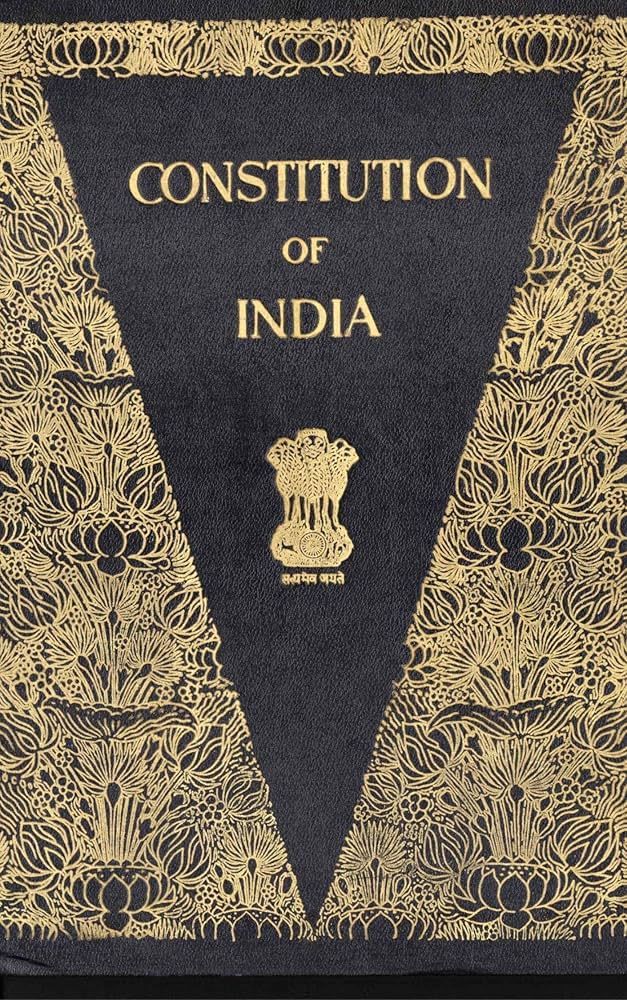
Digitally archived and displayed on special occasions, the document continues to inspire generations, reminding them of their duty to protect the values it embodies—values that were as carefully crafted as the strokes of ink that hold them together.
The Constitution as Art and Anthem
The handwritten Constitution of India transcends its function as a legal framework. It is a symphony—where law and art coalesce, where words and images sing in harmony. Its elegance reflects the unity of a diverse people, its artistry celebrates heritage, and its essence safeguards freedom.
To hold this document, even in reproduction, is to feel the pulse of a nation—the rhythms of its struggles, the melodies of its victories, and the quiet hum of its dreams. It reminds us that democracy is not static ink on parchment but a living, breathing promise.
As we gaze upon its gilded borders and graceful calligraphy, we are reminded that the Constitution is more than a set of rules; it is a testament to creativity, a celebration of identity, and a torchbearer of hope. In its pages lies not just the story of a nation’s past but the blueprint of its future—an enduring reminder that art and law, together, can shape destiny.

