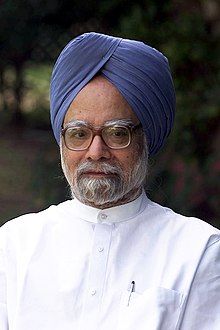
Dr. Manmohan Singh served as India’s 13th Prime Minister from May 22, 2004, to May 26, 2014. His leadership, marked by significant economic and social reforms, made a lasting impact, despite various political and governance challenges. Below is a detailed analysis of his policies during his two terms:
First Term (2004–2009): Focus on Economic Growth and Social Reforms
Economic Growth and Development:
- Consistent Economic Growth:
- India achieved an average GDP growth rate of 8%, positioning it among the world’s fastest-growing economies.
- The growth was driven by investment, infrastructure modernization, and private sector engagement.
- Inflation Control and Fiscal Reforms:
- Steady inflation rates were maintained, coupled with effective tax reforms such as the Value Added Tax (VAT) system.
- The Fiscal Responsibility and Budget Management (FRBM) Act was introduced to curb fiscal deficits and maintain financial discipline.
- Foreign Direct Investment (FDI):
- Key sectors, such as retail, telecom, insurance, and banking, were opened up to foreign investments.
- Simplified FDI norms helped position India as a prime destination for foreign investors.
- Industrial Growth:
- Special Economic Zones (SEZs) were expanded, fostering export growth and industrial development.
- Public-Private Partnerships (PPP) were encouraged to develop critical infrastructure.
Social Reforms and Welfare Programs:
- National Rural Employment Guarantee Act (NREGA) – 2005:
- This initiative guaranteed 100 days of employment annually for rural households, targeting poverty reduction and rural empowerment.
- Right to Information (RTI) Act – 2005:
- Enabled citizens to access government records, ensuring transparency and accountability.
- National Rural Health Mission (NRHM):
- Focused on improving rural healthcare through the enhancement of primary healthcare infrastructure.
- Sarva Shiksha Abhiyan (SSA):
- Aimed at universal primary education and reducing school dropouts, targeting better education access for marginalized groups.
- Jawaharlal Nehru National Urban Renewal Mission (JNNURM):
- Modernized urban infrastructure, including housing, water supply, and sanitation.
- Bharat Nirman Program:
- Focused on improving rural infrastructure, such as roads, electrification, and irrigation.
- Farm Loan Waiver Scheme (2008):
- Waived ₹60,000 crore in loans for distressed farmers, providing relief during challenging agricultural times.
- Scheduled Tribes and Other Traditional Forest Dwellers Act – 2006:
- Aimed at granting forest rights to tribal communities, securing their access to land and resources.
Foreign Policy Breakthroughs:
- US-India Civil Nuclear Deal (2008):
- Ended India’s nuclear isolation, enabling access to critical nuclear technology and positioning India as a global nuclear power.
- Strengthened Relations with Neighbors:
- India’s relations with countries like Pakistan, Bangladesh, and China were diplomatically bolstered, including the Composite Dialogue Process with Pakistan.
- ASEAN and Global Partnerships:
- Strengthened trade and economic ties with ASEAN and signed the ASEAN-India Free Trade Agreement (FTA).
- Promoted India’s active participation in global forums such as the G20 and BRICS.
Challenges in First Term:
- 2008 Global Financial Crisis:
- Implemented stimulus packages to stabilize the economy during the global downturn.
- Terrorism and Security:
- Responded to the 26/11 Mumbai terrorist attacks by enhancing internal security measures, including the establishment of the National Investigation Agency (NIA).
Second Term (2009–2014): Challenges and Policy Continuity
Social and Economic Initiatives:
- Food Security Act (2013):
- Provided subsidized food grains to two-thirds of India’s population, addressing hunger and malnutrition.
- Direct Benefit Transfer (DBT) Scheme:
- Introduced cash transfer mechanisms for subsidies, improving efficiency by reducing leakages.
- Aadhaar Card Initiative:
- The Aadhaar system aimed at ensuring biometric identification for better-targeted subsidies.
- Right to Education Act (2010):
- Free and compulsory education for children aged 6–14 was made a fundamental right, pushing India closer to universal education.
- National Manufacturing Policy (2011):
- Set up National Investment and Manufacturing Zones (NIMZs) to boost industrial growth and job creation.
- Rural Electrification:
- Expanded rural electrification, improving energy access in underserved areas.
Foreign Policy and Diplomacy:
- India-US Relations:
- Strengthened defense and strategic ties with the United States, including arms trade agreements.
- BRICS Alliance:
- Promoted the creation of the BRICS Bank, focusing on funding development in emerging economies.
- Look East Policy:
- Enhanced India’s economic and strategic engagement with ASEAN countries.
- Climate Change Policy:
- Advocated for sustainable development and a focus on clean energy in global climate talks.
Challenges in Second Term:
- Economic Slowdown:
- The economy slowed to 4-5% growth due to rising inflation, policy inaction, and global challenges.
- Corruption Scandals:
- Major scandals like 2G spectrum allocation, Commonwealth Games, and coal block allocations marred the second term, drawing significant criticism.
- Policy Paralysis Allegations:
- Slow decision-making led to stalled reforms and delays in major infrastructure and industrial projects.
- Coalition Politics:
- The need for consensus with coalition partners resulted in compromises and challenges to effective governance.
Key Achievements and Legacy:
- Economic Transformation:
- Laid the foundation for India’s global integration, with significant growth in trade, industry, and the services sector.
- Social Equity:
- Aimed at inclusive growth, addressing poverty, education, and healthcare inequalities.
- Technological Growth:
- Spurred growth in IT and telecommunications, positioning India as a technology leader.
- Global Standing:
- Enhanced India’s global diplomacy, securing nuclear agreements and playing an active role in international trade and climate discussions.
Criticism and Controversies:
- Singh was often viewed as a soft leader, with criticisms of his handling of corruption issues and his perceived inability to act decisively.
- The second term witnessed policy paralysis, slowing the pace of economic reforms and governance.
Conclusion:
Dr. Manmohan Singh’s tenure marked a transformational era for India. His first term is celebrated for robust economic growth, social welfare reforms, and significant foreign policy breakthroughs.
The second term, however, faced challenges related to governance, corruption scandals, and economic slowdowns.
Despite criticisms, his leadership is credited with modernizing India’s economy, fostering inclusive growth, and enhancing India’s global stature.
 Indian Political Debate