Introduction
The year 2024 was a turning point in Indian politics, characterized by significant shifts in voter behavior, the impact of localized issues, and a growing focus on welfare-driven politics. The General Elections, along with state assembly elections in Maharashtra, Haryana, Jharkhand, and Jammu & Kashmir, revealed the evolving dynamics of democracy in the world’s largest electoral system. While the BJP-led NDA managed to retain power nationally, the election results exposed vulnerabilities in their stronghold, particularly among marginalized communities and economically weaker states.
This year also saw intensified discussions around One Nation, One Election (ONOE), a policy proposal aimed at streamlining India’s election cycles. As the nation heads into 2025, the debate around ONOE, the rising influence of welfare politics, and the realignment of regional forces are expected to define the political trajectory of the country.
General Elections: A Mixed Mandate
The 2024 General Elections offered a complex mandate that was neither an outright endorsement of the ruling BJP nor a complete rejection. Instead, it highlighted an electorate grappling with economic challenges, social inequalities, and regional aspirations. Here’s an in-depth look at the major takeaways from the General Elections:
NDA Retains Power, But With Reduced Strength
- The BJP-led NDA secured 293 seats, a sharp decline from the 353 seats it won in 2019. The BJP alone fell short of a majority, winning 240 seats, down from 303 in 2019.
- The INDIA alliance, a coalition of opposition parties, made significant inroads, winning 234 seats. The Congress party was a major beneficiary, increasing its tally from 52 seats in 2019 to 100 in 2024.
Shift in Voter Demographics
The NDA’s decline was most visible among Scheduled Caste (SC) and Scheduled Tribe (ST) voters:
- In SC-reserved seats, the INDIA alliance captured 49% of the seats compared to the NDA’s 47%.
- The BJP-NDA lost 22% of ST-reserved seats, reflecting discontent among tribal communities, who felt neglected in terms of economic opportunities and social justice.
Economic Factors
Economic issues played a pivotal role in shaping voter behavior:
- Income Inequality:
- Marginalized communities dependent on agriculture suffered disproportionately, with agricultural growth stagnating at 1.4%, far below the 7% GDP growth.
- Food Inflation:
- Food inflation averaged 8% in 2024, with vegetable prices spiking by 27.8% in April. Inflation emerged as a key electoral issue, particularly among rural voters.
- Unemployment:
- Youth unemployment in the 20-29 age group remained a persistent issue, compounded by dissatisfaction with schemes like Agneeveer.
Localized and Fragmented Narrative
Unlike 2014 and 2019, which were defined by unifying themes of anti-corruption and nationalism, the 2024 elections lacked a central narrative. Localized issues—ranging from unemployment to agrarian distress—dominated the discourse, making this election more fragmented.
Strategic Alliances
The BJP’s alliances in Andhra Pradesh (with TDP) and Bihar (breaking Nitish Kumar’s coalition with the INDIA bloc) proved decisive. However, the INDIA alliance’s ability to form effective social coalitions in states like Uttar Pradesh and Maharashtra demonstrated the potential of united opposition.
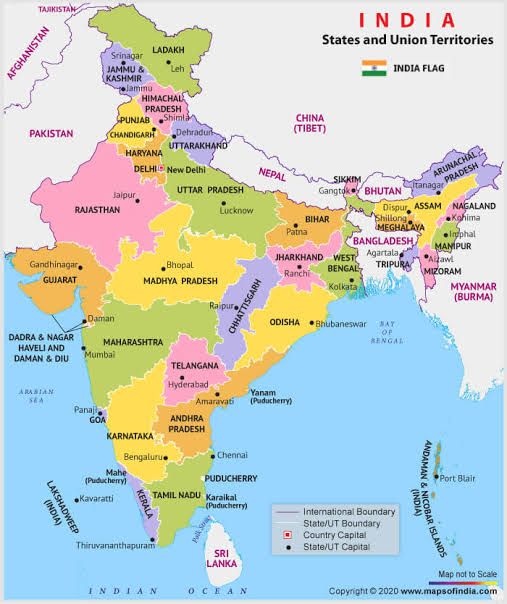
State Elections: Key Trends and Insights
While the General Elections captured national attention, the state assembly elections in 2024 revealed nuanced voter preferences and regional dynamics.
Maharashtra
The BJP-Eknath Shinde coalition registered a decisive victory in Maharashtra, driven by:
- Welfare Politics:
- The Ladki Behna scheme, a Direct Benefit Transfer (DBT) program targeting women, played a pivotal role in securing rural votes.
- RSS Groundwork:
- Grassroots mobilization in Vidarbha and Marathwada helped counter narratives of agrarian distress and unemployment.
- Opposition Missteps:
- The MVA (Maha Vikas Aghadi) alliance lacked a cohesive campaign strategy and failed to address pressing voter concerns like inflation and job creation.
Haryana
In Haryana, BJP faced stiff competition:
- Rural Discontent:
- Farmers expressed dissatisfaction with unresolved agrarian issues and perceived neglect.
- Caste Dynamics:
- Jat voters, a key demographic, leaned towards regional parties and the INDIA alliance, eroding BJP’s traditional base.
- BJP was able to form a strong non Jat OBC and Dalits alliance which helped them ride the agrarian distress issues and get a record third term in office.
Jharkhand
The JMM-Congress alliance regained momentum:
- Tribal Welfare:
- Targeted welfare schemes addressing tribal concerns played a crucial role.
- Anti-Incumbency:
- The BJP’s inability to address unemployment and inflation contributed to its decline.
Jammu & Kashmir
The first elections post-abrogation of Article 370 showcased a fragmented mandate:
- Regional Resurgence:
- Parties like NC regained traction in the Kashmir Valley, while BJP held its ground in Jammu.
- Identity Politics:
- Local issues of autonomy and integration dominated the narrative.
Key Policies and Challenges of 2024
One Nation, One Election (ONOE)
The ONOE proposal dominated political discourse, promising streamlined governance but raising critical concerns.
Merits:
- Cost Efficiency:
- Simultaneous elections could reduce election costs significantly, which surpassed ₹75,000 crores in 2024.
- Policy Continuity:
- Reducing the Model Code of Conduct (MCC) disruptions would ensure uninterrupted governance.
- Increased Voter Turnout:
- Consolidated elections may boost voter participation by simplifying the process.
Challenges:
- Threat to Federalism:
- Critics argue that ONOE could overshadow regional issues in favor of national narratives, undermining state autonomy.
- Logistical Complexity:
- Conducting simultaneous elections across 1.3 billion citizens in 28 states and 8 UTs is a daunting task.
- Constitutional Amendments:
- Significant amendments to Articles 83, 172, 85, 174, and 356 would be required to implement ONOE, alongside changes to the Representation of People Act.
Challenges of 2024
- Economic Stress:
- Rising food prices, stagnant rural incomes, and persistent unemployment defined the economic challenges.
- Fragmented Opposition:
- While the INDIA alliance showed potential, internal divisions and lack of coordination remained hurdles.
- Polarization:
- Increased ideological divides complicated consensus-building on critical issues like ONOE and welfare policy.
India’s Foreign Policy in 2024: Achievements, Challenges, and the Road Ahead in 2025
India’s foreign policy in 2024 continued its trajectory of asserting the nation’s global aspirations while navigating complex geopolitical dynamics. Under Prime Minister Narendra Modi’s leadership, India aimed to bolster strategic alliances, manage regional tensions, and enhance its stature in global governance. However, challenges like strained relations with some Western nations and the growing influence of China in South Asia tested India’s diplomatic acumen. As the year ends, the lessons and outcomes from 2024 provide a roadmap for 2025.
Key Achievements in 2024
- Strengthening Strategic Partnerships India’s relationships with major powers deepened in 2024, showcasing its ability to balance diverse interests. Ties with the United States saw a significant boost, particularly in defense collaboration, with a focus on joint production and technology transfer. These efforts are part of India’s strategy to reduce reliance on imports and enhance its domestic defense industry. On the other hand, the visit of Prime Minister Modi to Moscow highlighted the resilience of India-Russia ties despite the ongoing Russia-Ukraine war. Areas like nuclear energy, pharmaceuticals, and arms trade were central to these discussions, with both nations reaffirming their commitment to achieving ambitious trade targets.
- Resolving Regional Tensions A landmark achievement was the India-China Border Patrol Agreement signed in October 2024, aimed at de-escalating tensions in the Galwan Valley. This agreement reinstated patrol rights for both nations and created buffer zones, marking a significant step toward stabilizing the volatile border. It demonstrated India’s willingness to engage diplomatically without compromising its territorial sovereignty.
- Global Leadership Aspirations India’s presidency of the G20 Summit reinforced its image as a global leader. The summit showcased India’s ability to bring together diverse interests and drive conversations on critical issues like climate change, sustainable development, and the digital economy. This platform allowed India to project itself as a voice for the Global South, particularly in advocating for equitable climate financing.
Challenges Faced in 2024
- Strained Relations with Western Nations Allegations of India’s involvement in the assassination of Sikh activists in Canada strained ties with Western allies, particularly Canada and some European nations. This controversy highlighted the delicate balance India must maintain between addressing domestic security concerns and adhering to international diplomatic norms. While India firmly denied the allegations, the fallout exposed vulnerabilities in its diplomatic narrative.
- China’s Growing Influence Despite successes like the border agreement, China’s growing clout in South Asia posed a significant challenge. Beijing’s increasing investments in Nepal, Bangladesh, and the Maldives continued to erode India’s traditional sphere of influence. This trend underscores the need for India to recalibrate its regional strategy, particularly through economic and developmental diplomacy.
- Domestic and International Criticism Domestically, some criticized the government for prioritizing high-profile international engagements over addressing pressing internal issues. Internationally, India’s stance on the Russia-Ukraine conflict—marked by abstentions in key UN votes—was perceived by some as ambivalent, straining relations with European allies.
Looking Ahead to 2025
- Strengthening Economic Diplomacy Economic partnerships will be a cornerstone of India’s foreign policy in 2025. With a growing focus on trade agreements in sectors like technology, renewable energy, and defense, India aims to sustain its economic momentum. Collaborating with nations in Africa, Latin America, and ASEAN will be critical in expanding India’s trade footprint.
- Maintaining Strategic Balances Navigating the U.S.-China rivalry will remain a priority. While deepening ties with the U.S. and its allies, India must also engage constructively with China to prevent regional conflicts. Similarly, balancing its historical ties with Russia while expanding its relationships with Western democracies will be a diplomatic tightrope.
- Addressing Regional Challenges India will need to counter China’s influence in South Asia through initiatives like infrastructure development, trade incentives, and cultural diplomacy. Strengthening regional forums such as SAARC or BIMSTEC could offer India avenues to reclaim its leadership role in the neighborhood.
- Promoting a Global Leadership Role India’s aspirations for a permanent seat on the UN Security Council will likely intensify in 2025. Leveraging its economic growth and leadership in platforms like the G20, India can build stronger coalitions to push for reforms in global governance institutions.
What to Expect in 2025
1. Bihar Assembly Elections
The Bihar elections will be a litmus test for the INDIA alliance’s unity and the BJP’s adaptability:
- Caste Dynamics:
- The INDIA bloc will rely on its social coalition of OBCs, Dalits, and minorities.
- Welfare vs. Governance:
- Welfare schemes are likely to dominate, but governance and development narratives will play a crucial role.
- Also there is the crucial election in Delhi with a three way fight between AAP, BJP and Congress. The unity of INDIA alliance is not held here.
2. Continued Debate on ONOE
The ONOE proposal is expected to gain momentum:
- Pilot Programs:
- Select states may hold simultaneous elections as a trial run.
- National Consensus:
- Engaging opposition parties and addressing logistical concerns will be critical for implementation.
3. Welfare Politics as a Decisive Factor
Welfare schemes like Ladki Behna and Lakshmi Bhandar will continue to shape electoral outcomes:
- Targeted Programs:
- Governments may introduce new schemes aimed at women and marginalized communities to consolidate voter bases.
4. Strengthening Regional Parties
Regional parties are expected to play a pivotal role in shaping national and state-level outcomes:
- Coalition Politics:
- Alliances like INDIA will need to strike a balance between regional autonomy and a unified national agenda.
5. BJP’s Strategic Realignment
To counter anti-incumbency and opposition gains, the BJP may:
- Promote State Leaders:
- Reducing over-reliance on PM Modi by empowering regional leaders.
- Focus on Development:
- Highlighting infrastructure projects and welfare initiatives to win back disenchanted voters.
Conclusion
The year 2024 marked a transitional phase in Indian politics, with economic concerns, welfare-driven strategies, and regional aspirations reshaping the electoral landscape. The mixed mandate reflects an electorate increasingly focused on localized issues and social justice, challenging the dominance of centralized narratives.
As 2025 unfolds, Bihar’s elections, the ONOE debate, and the consolidation of welfare politics will take center stage. The evolving dynamics underscore the need for political parties to address grassroots concerns while balancing governance and electoral strategy. India’s democratic fabric, though tested, continues to adapt to the aspirations and complexities of its diverse electorate.India’s foreign policy in 2024 showcased its ability to navigate a complex and rapidly changing world order. The year was marked by notable successes, such as strengthening strategic alliances and addressing regional conflicts, while also highlighting challenges like strained Western relations and China’s regional dominance. As India steps into 2025, its focus will be on leveraging these experiences to solidify its role as a global power.
 Indian Political Debate