The Indian Constitution, a monumental document that serves as the cornerstone of the world’s largest democracy, is not just a legal manuscript but also a profound work of art. Its original handwritten version, enriched with 22 meticulously crafted illustrations, narrates the rich cultural and historical legacy of India. These illustrations, created under the artistic direction of Nandalal Bose and his team from Shantiniketan, elevate the Constitution from a mere document to a visual celebration of the nation’s heritage.
The Artists Behind the Masterpiece
The illustrations in the Constitution were a result of the collective genius of artists like Beohar Rammanohar Sinha and Dinanath Bhargava, led by Nandalal Bose. Each painting was designed to capture a significant epoch or cultural aspect of Indian history, making the Constitution a document that resonates with India’s diverse ethos. The calligraphy, a crucial part of the manuscript, was the handiwork of Prem Behari Narain Raizada, who inscribed the text in both English and Hindi.
The 22 Illustrations: A Tribute to Indian Heritage
Each illustration at the beginning of the Constitution’s chapters serves as a symbolic representation of India’s historical, cultural, and spiritual milestones. Here’s a closer look at these artworks:
https://www.ctetmocktesting.com/tet/22-pictures-indian-constitution/4/
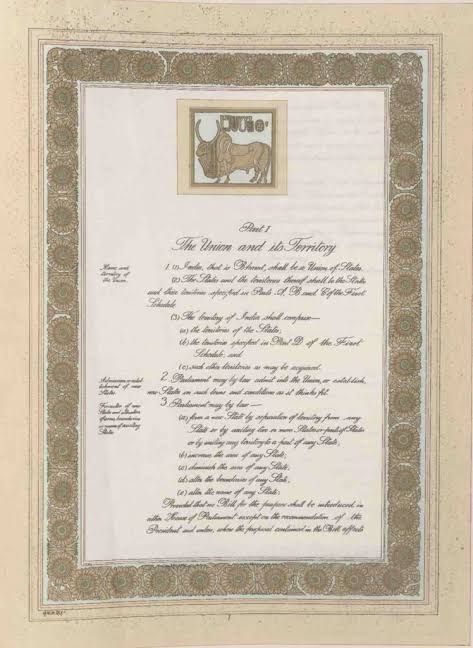
1. The Indus Valley Civilization
The opening illustration features a seal from Mohenjo-daro, symbolizing the antiquity and strength of one of the world’s earliest urban cultures. A zebu bull, majestic and poised, epitomizes the era’s resilience and sophistication.
2. Vedic Period
A serene depiction of a Gurukul highlights the ancient Indian education system, where knowledge was imparted in natural settings, emphasizing simplicity and wisdom.
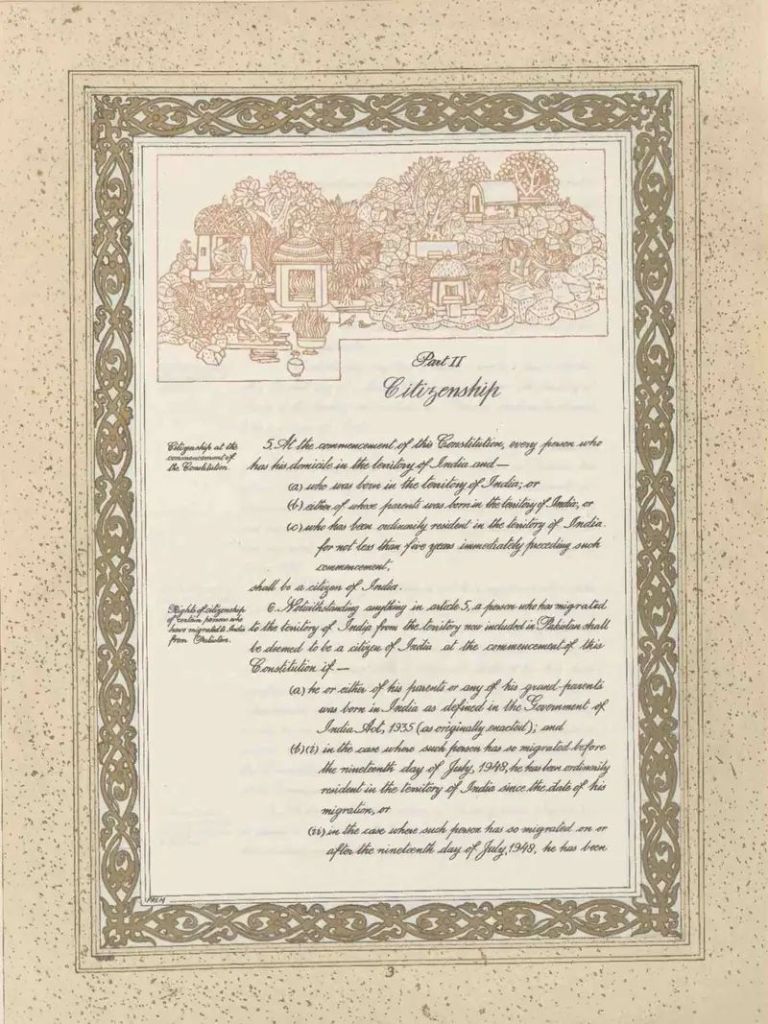
3. The Ramayana
A scene from the epic portrays Lord Rama’s victory over Lanka, symbolizing dharma (righteousness) and the triumph of good over evil.
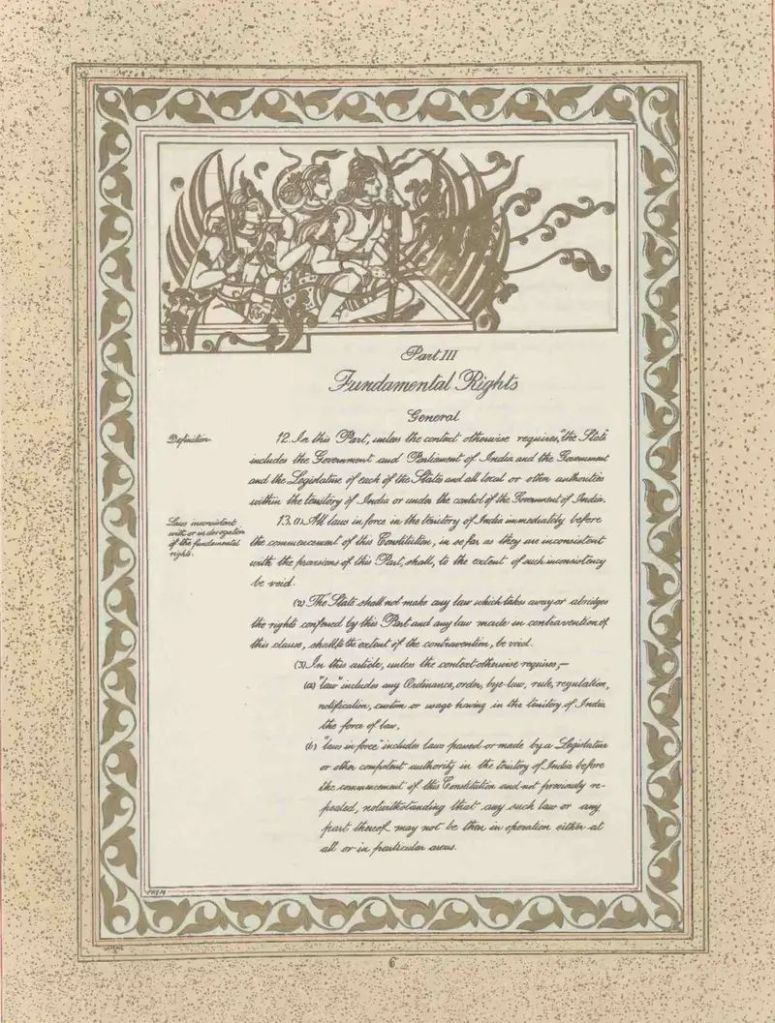
4. The Bhagavad Gita
Lord Krishna’s discourse to Arjuna on the battlefield of Kurukshetra is a timeless symbol of duty, courage, and moral clarity.
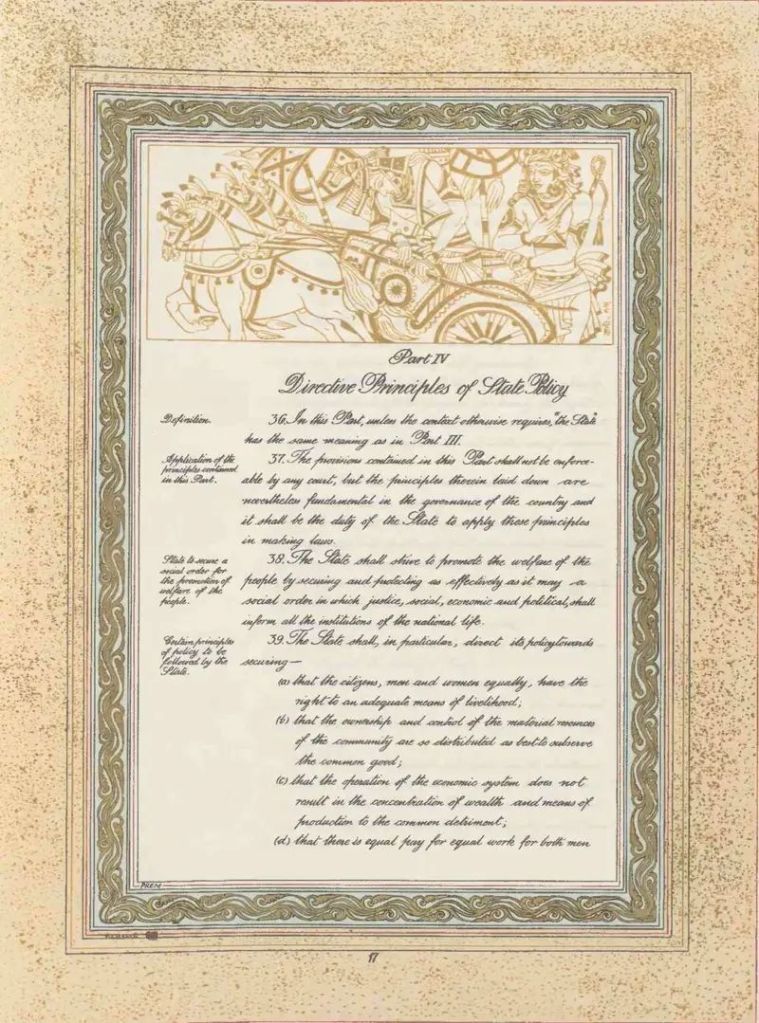
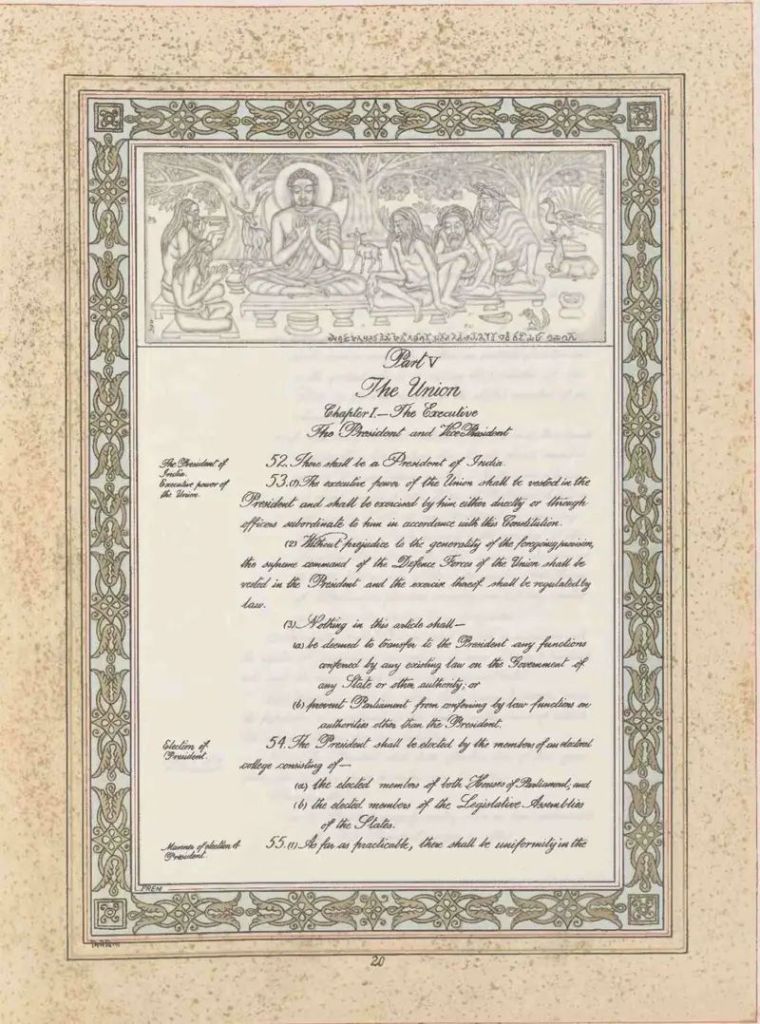
5. Gautama Buddha’s First Sermon
This artwork captures Buddha delivering his first sermon at Sarnath, representing enlightenment and the spread of Buddhist philosophy.
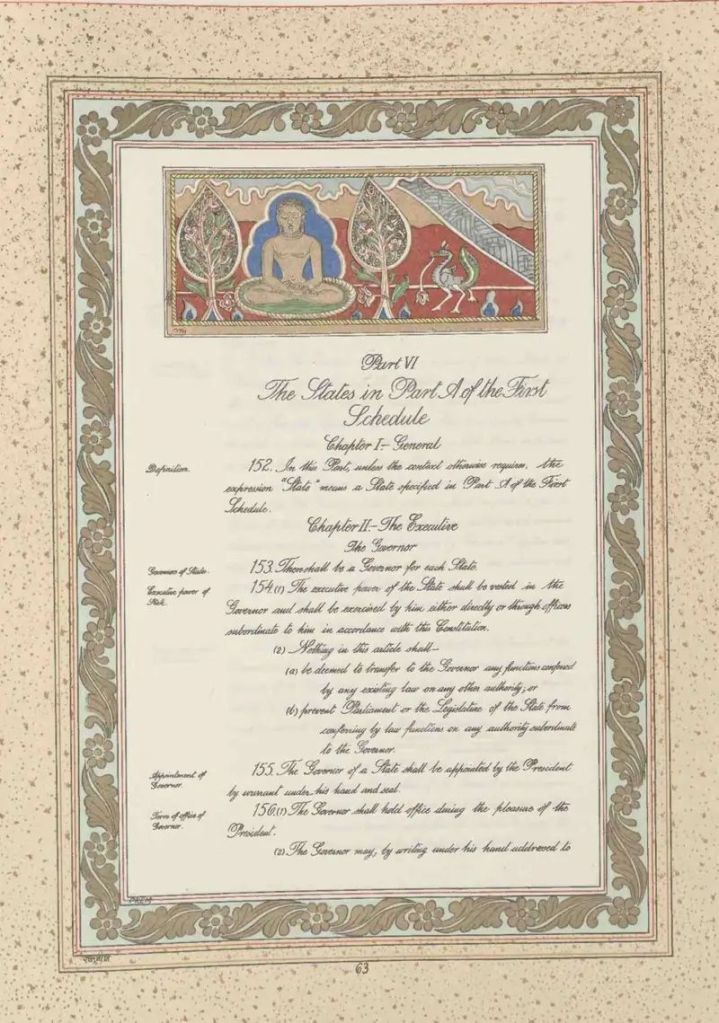
6. Mahavira’s Meditation
The depiction of Lord Mahavira in deep meditation reflects the essence of Jainism, with its focus on non-violence and spiritual asceticism.
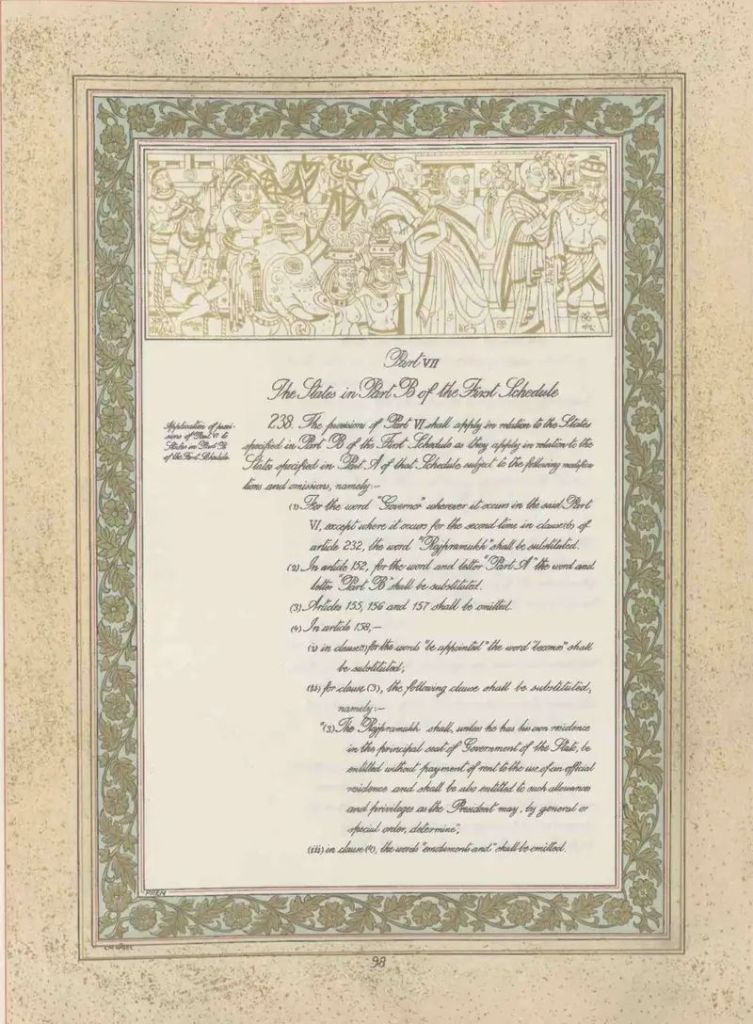
7. Ashoka the Great
The Mauryan emperor is shown spreading Buddhism and the message of peace across his empire, a tribute to one of India’s most revered rulers.
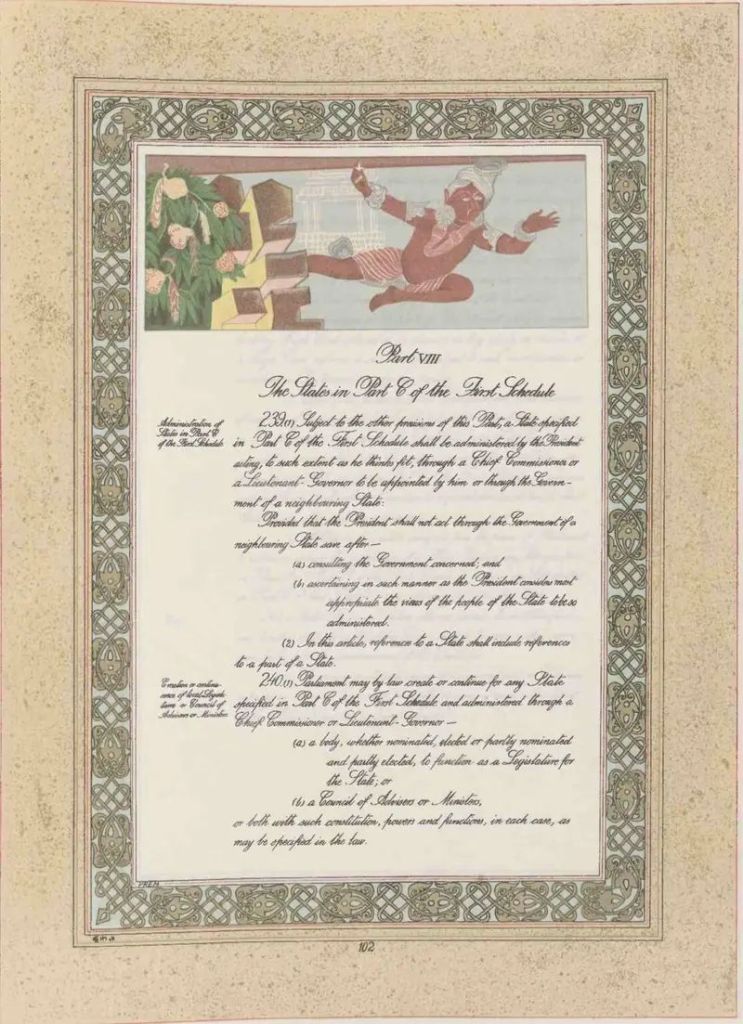
8. The Gupta Period
An artistic nod to the golden age of Indian culture, highlighting advancements in art, literature, and architecture.
9. Vikramaditya’s Court
The legendary court of King Vikramaditya, renowned for its literary and artistic brilliance, symbolizes intellectual flourishing.
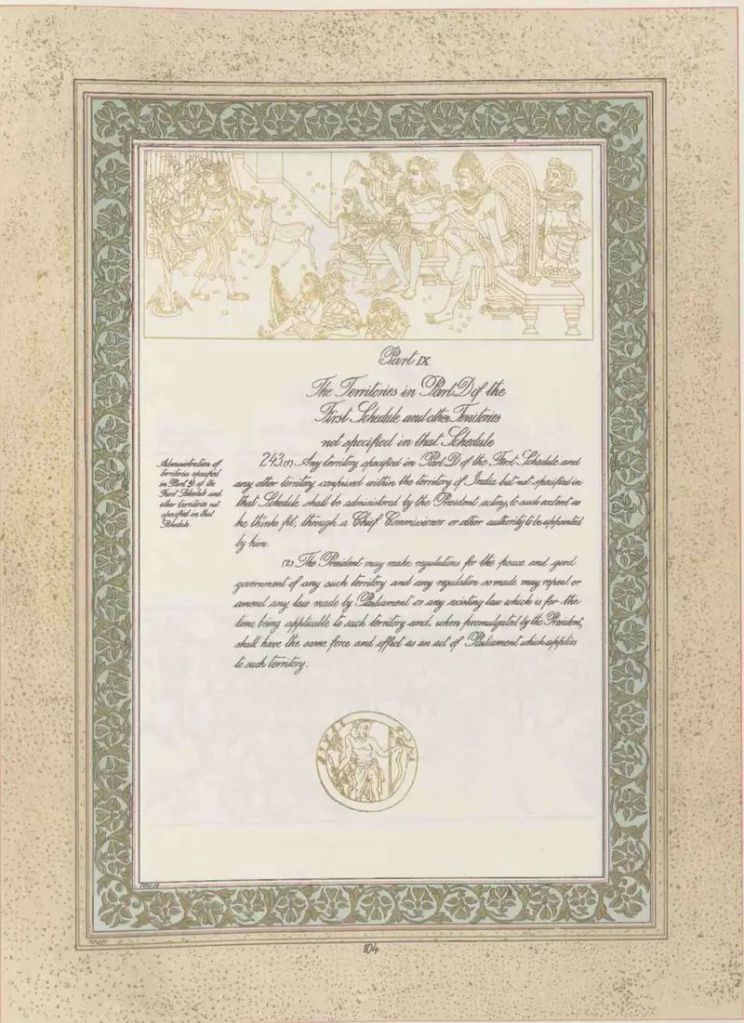
10. Nalanda University
This illustration celebrates the ancient university, a beacon of learning and scholarship, attracting students from around the world.
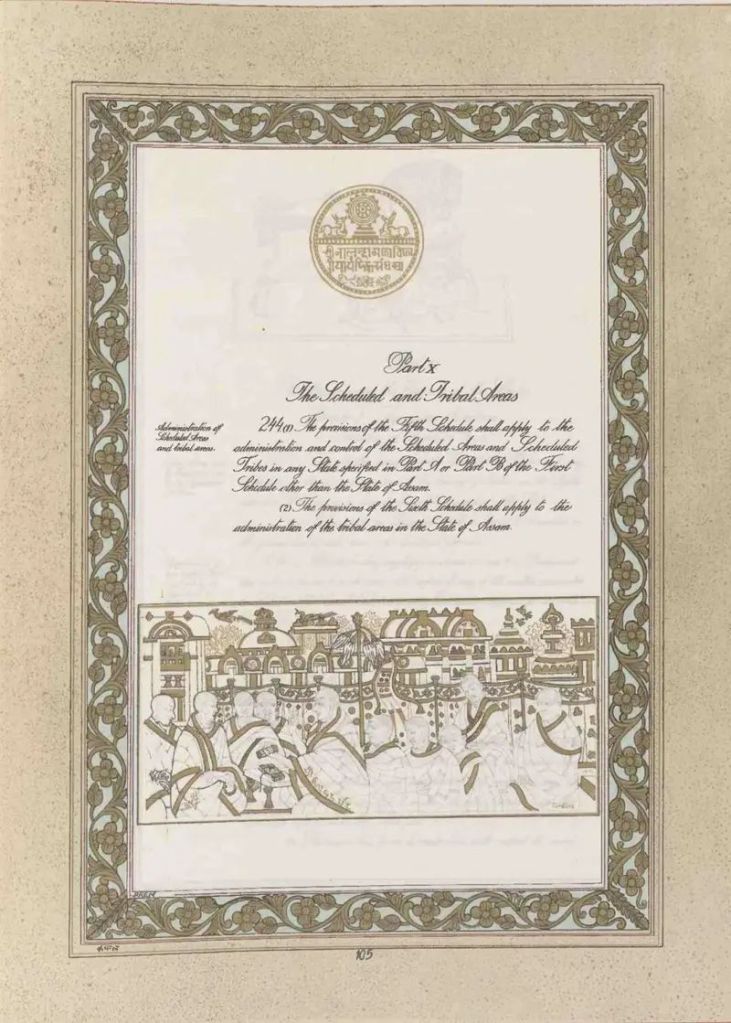
11. Odisha’s Artistry
A tribute to the artistic traditions of Odisha, showcasing intricate designs and motifs that define its cultural identity.
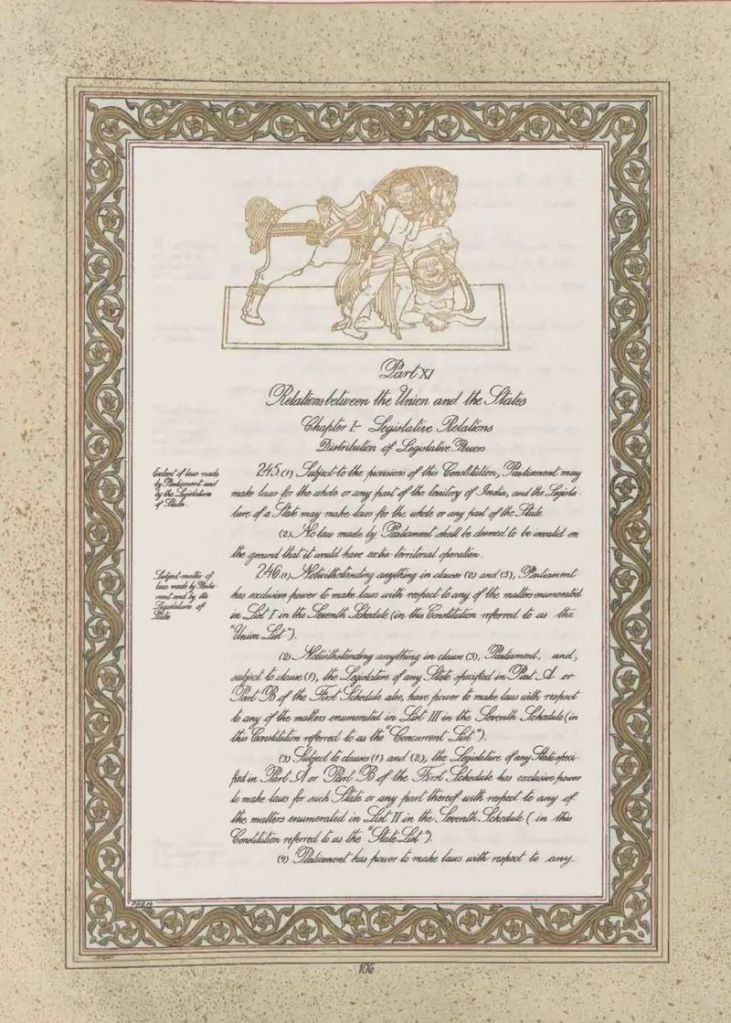
12. Shiva as Nataraja
Lord Shiva in his cosmic dance form, Nataraja, represents the eternal cycle of creation and destruction, a key aspect of Indian spirituality.
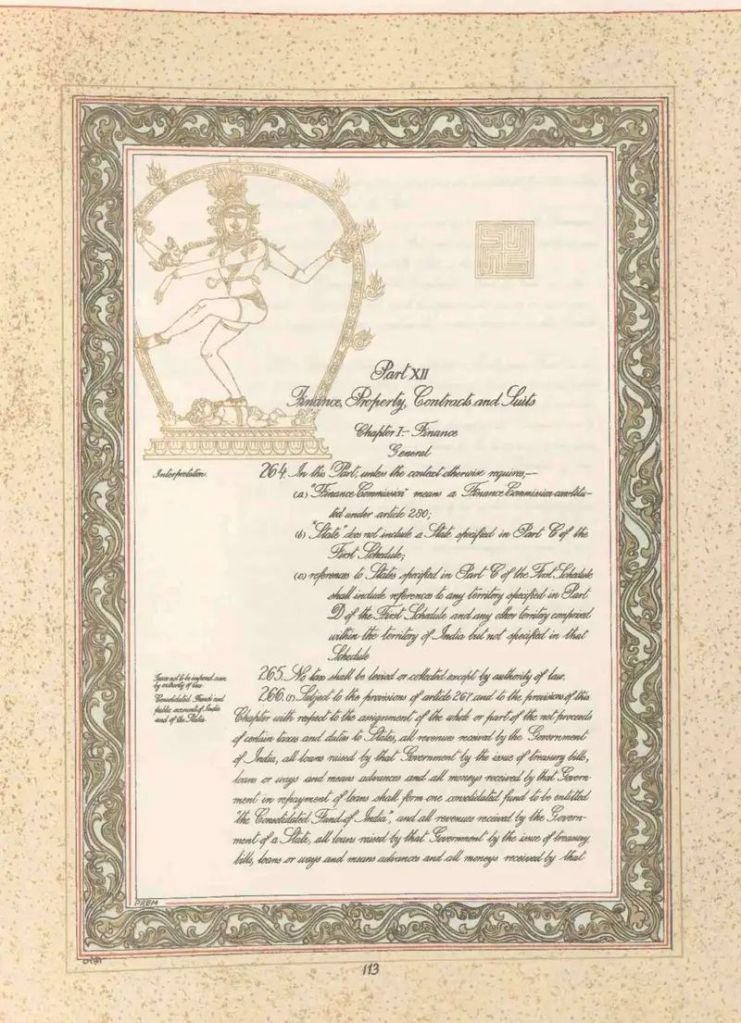
13. Mahabalipuram’s Bas-Relief
The famous rock carvings from the Pallava era, often interpreted as Arjuna’s penance or the descent of the Ganga, highlight India’s architectural prowess.

14. The Mughal Era
A depiction of Emperor Akbar’s court underscores the artistic and cultural contributions of the Mughal period.

15. Maratha and Sikh Heroes
Figures like Chhatrapati Shivaji Maharaj and Guru Gobind Singh embody regional resilience and leadership during periods of resistance.
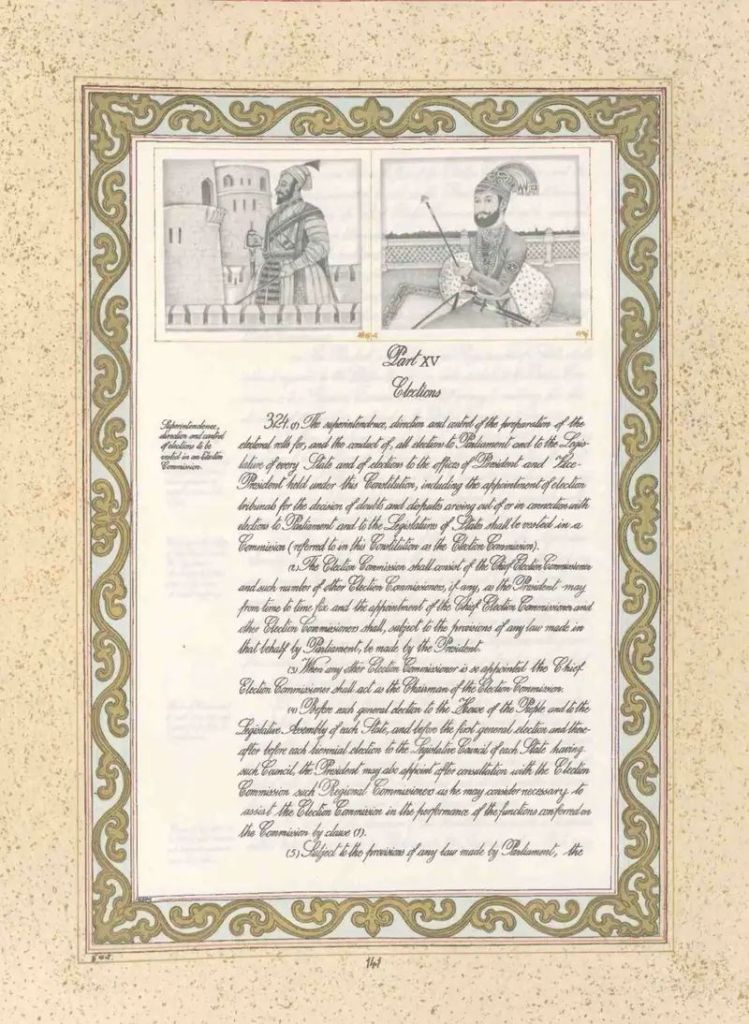
16. Freedom Fighters
Icons like Rani Lakshmibai and Tipu Sultan are honored for their sacrifices and valor in resisting colonial rule.

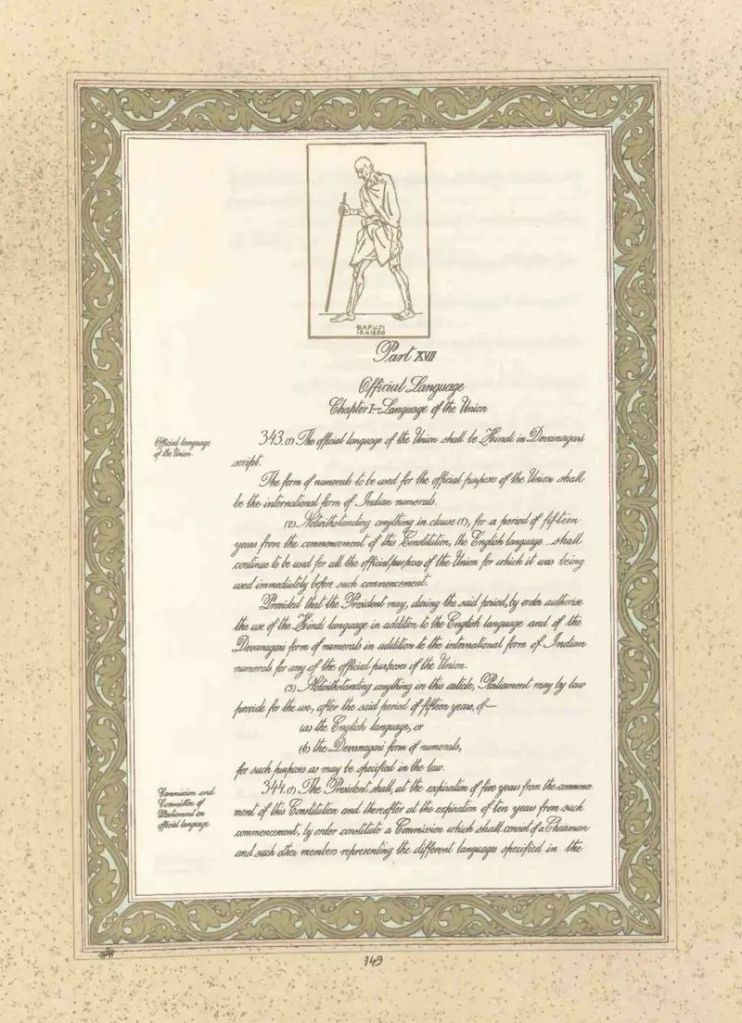
17. Mahatma Gandhi’s Dandi March
This iconic scene from the Salt March captures Gandhi’s non-violent struggle against British oppression.
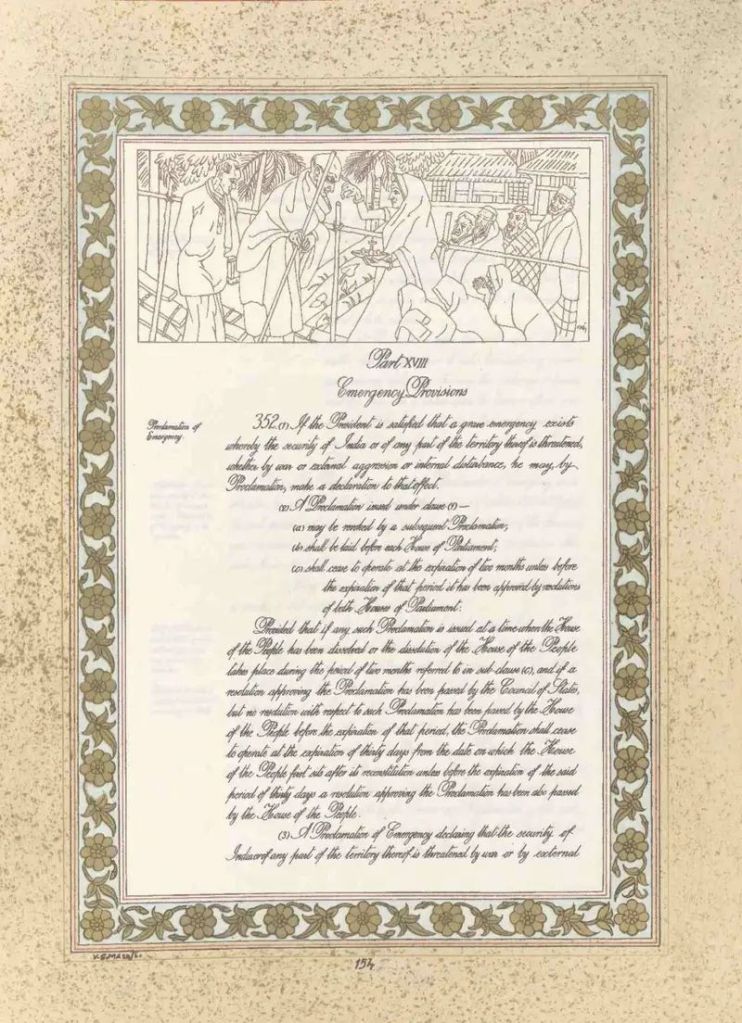
18. Gandhi in Noakhali
A depiction of Gandhi’s efforts in communal harmony during the Noakhali riots, emphasizing peace and unity.
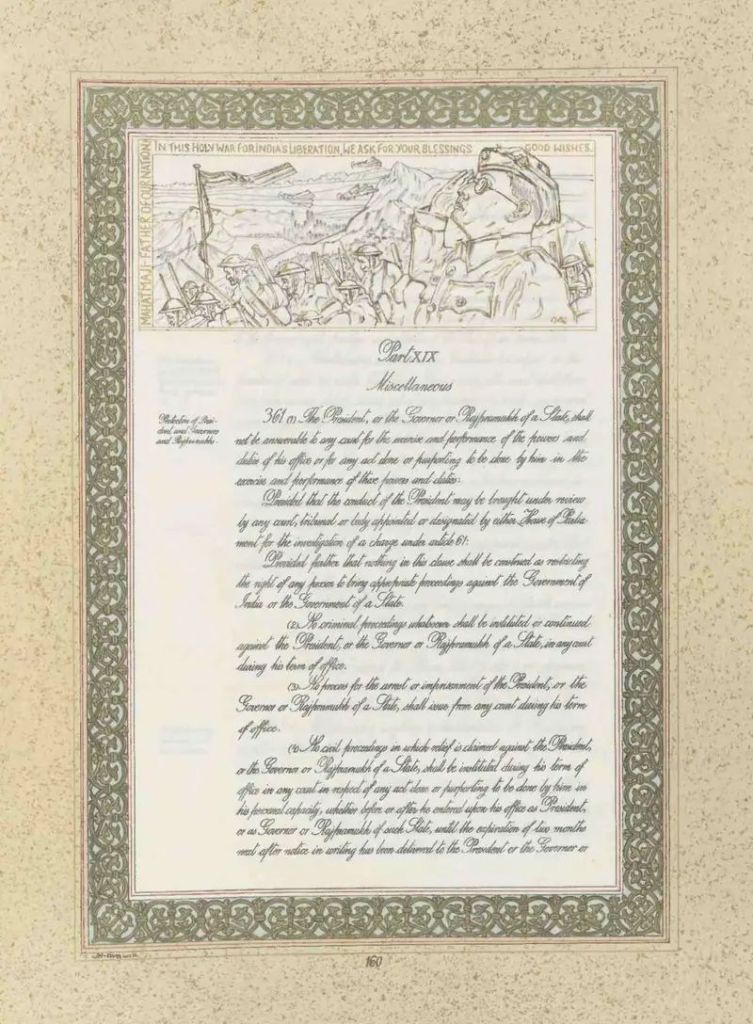
19. Subhas Chandra Bose and the INA
Netaji Subhas Chandra Bose leading the Indian National Army symbolizes his unyielding fight for independence.
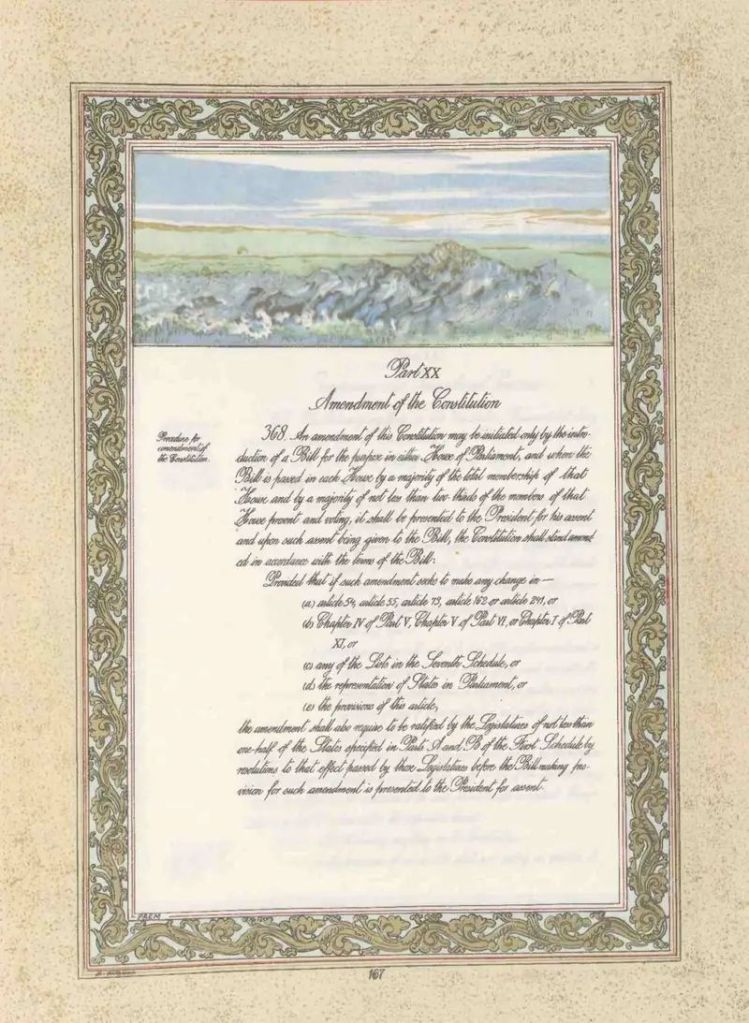
20. The Himalayas
The majestic Himalayan range is a representation of India’s natural grandeur and cultural connection to its geography.
21. The Desert Procession
A colorful depiction of life in India’s arid regions, reflecting cultural vibrancy even in challenging terrains.

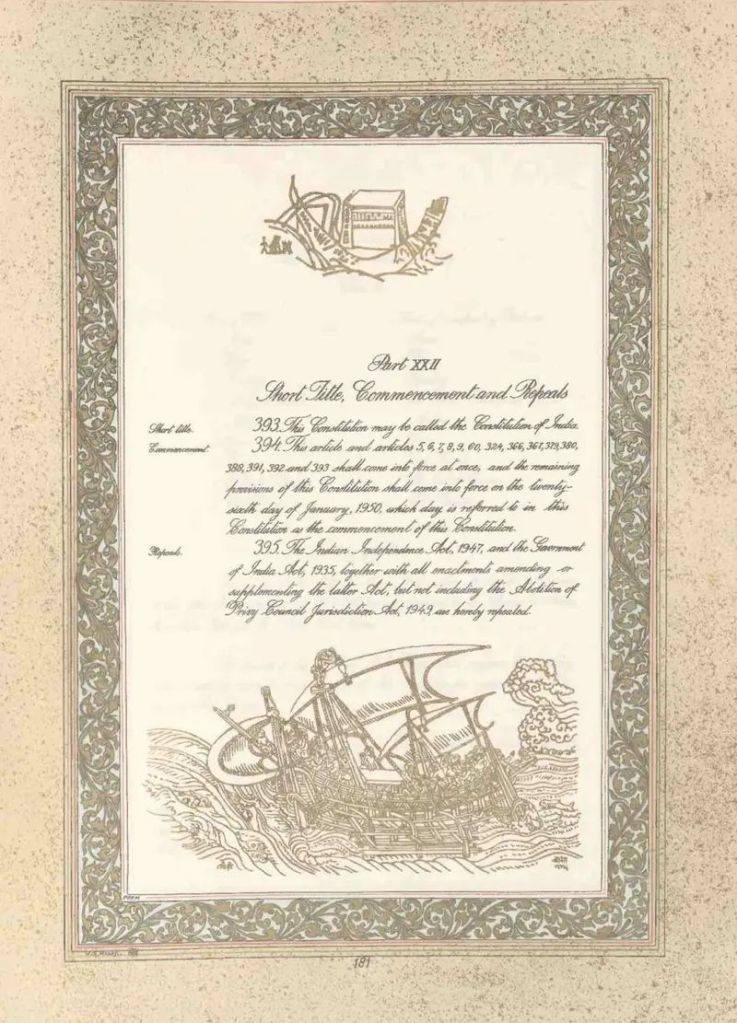
22. Maritime Legacy
Illustrating ancient ships, this artwork celebrates India’s maritime history and its spirit of exploration.
Art Beyond Aesthetics
The illustrations in the Indian Constitution are more than just ornamental. They reflect India’s journey through epochs of change, struggle, and enlightenment, reinforcing the timeless values enshrined in the Constitution. Each artwork is a story in itself, offering a lens into the ethos of India’s civilization.
A Timeless Legacy
These 22 illustrations ensure that the Indian Constitution remains a living document, not only in its legal and democratic significance but also as a repository of the nation’s cultural and historical heritage. They bridge the past with the present, reminding every Indian of their shared history and collective responsibility to uphold the ideals of justice, equality, and fraternity.
This visual artistry, coupled with the profound words of the Constitution, makes it a document that resonates far beyond its legislative purpose—truly a treasure for the ages.
 Indian Political Debate